** Maintain the Chill Away: Essential Tips for Heating System Maintenance Throughout the Year **.
When the temperature drops, a trusted heating system becomes your best friend. But just like any kind of other home appliance, heating systems need regular upkeep to work effectively and securely. In this extensive guide, we'll stroll you through essential ideas for heating unit maintenance throughout the year, ensuring that your home keeps warm and comfy when it's chilly outside.
What is Heater Maintenance?
Heater upkeep refers to the regular checks and repairs required to make sure that your heating unit runs effectively. It includes a range of tasks oven repair austin tx such as cleaning, inspecting, and repairing parts. Routine upkeep can dramatically prolong the life of your heater while decreasing energy costs.
Why is Heater Upkeep Important?
Proper heating unit maintenance is important for numerous reasons:
- Safety: A properly maintained heating unit decreases the risk of fires or carbon monoxide leaks.
- Efficiency: Normal maintenance guarantees that your heater runs optimally, saving you money on energy bills.
- Longevity: Routine treatment can extend the lifespan of your heating unit.
- Comfort: Constant efficiency indicates you'll appreciate a comfy living environment.
Keep the Cool Away: Important Tips for Heater Maintenance Throughout the Year
1. Schedule Annual Expert Inspections
One of one of the most effective means to preserve your heating system is by organizing specialist inspections annually. Educated service technicians can spot possible concerns before they come to be substantial problems.
Benefits of Expert Examinations:
- Comprehensive check-up
- Expert suggestions on repairs
- Peace of mind knowing your system is safe
2. Adjustment Air Filters Regularly
Air filters play a crucial duty in maintaining air quality and performance in your furnace. Blocked filters force your heating unit to function harder, which can cause higher power costs and possible breakdowns.
How Typically Must You Change Your Filters?
- Every 1-3 months throughout top usage
- At least every 6 months if utilized much less frequently
3. Tidy Vents and Ducts
Dust and particles can collect in vents and ducts in time, blocking air movement and minimizing effectiveness. Cleansing these parts enhances air quality and system performance.
Cleaning Actions:
- Turn off the system.
- Remove vent covers.
- Vacuum dirt from vents.
- Replace covers securely.
4. Evaluate Thermostat Settings
Your thermostat serves as the brain of your heater; inaccurate setups can cause inefficient operation or pain in your home.
Tips for Thermostat Care:
- Ensure it's evaluated a regular temperature.
- Consider upgrading to a programmable thermostat for far better energy management.
5. Look for Leaks Around Windows and Doors
Drafty windows and doors can trigger warmth loss, making your heating unit job tougher than necessary.
Sealing Methods:
- Use weatherstripping or caulk to seal gaps.
- Install door sweeps to block drafts under doors.
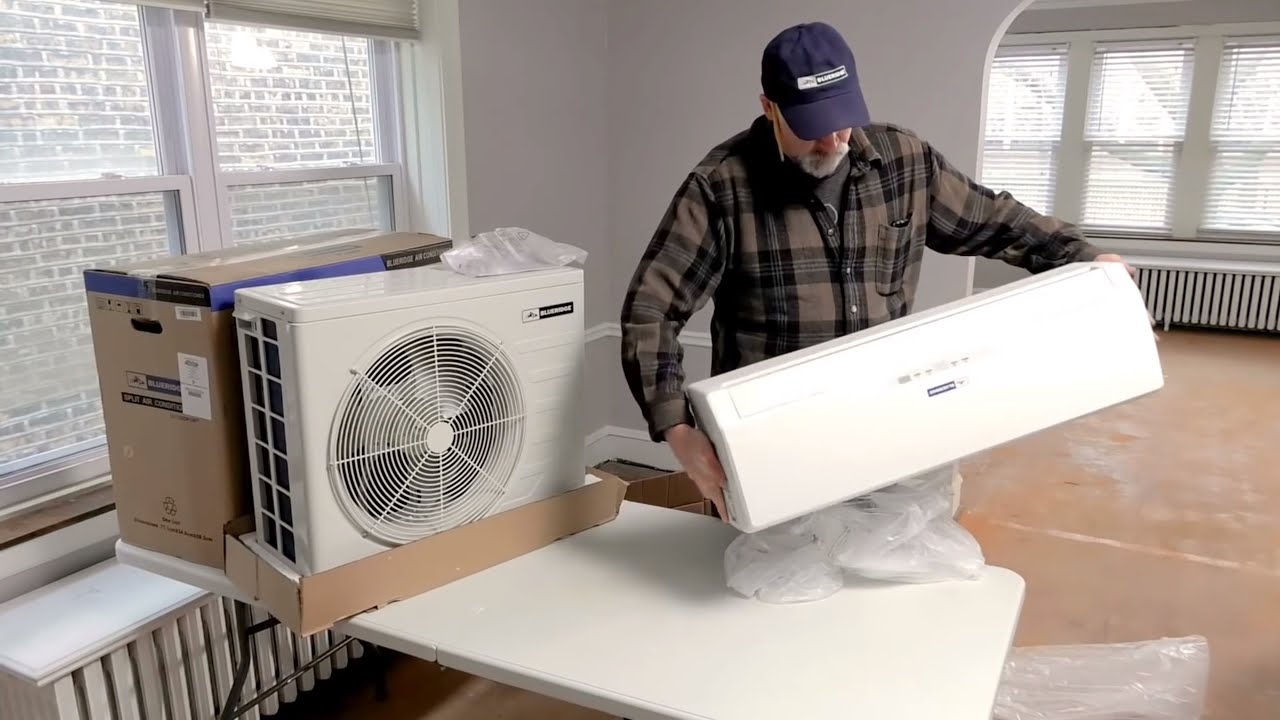
6. Preserve Clear Area Around Your Heater
Keeping a location around your heating unit free from mess is vital for safety and security and effective operation.
Safety Threats Include:
- Flammable products too close
- Obstructed airflow resulting in overheating
Year-Round Heating unit Care
To keep your home heating system functioning ideally all year long, take into consideration following this month-to-month checklist:
|Month|Task|| ------------|-----------------------------------------------|| January|Adjustment air filters|| February|Examine thermostat setups|| March|Clean vents|| April|Arrange yearly examination|| May|Inspect insulation around windows|| June|Tidy outdoor system (for HVAC systems)|| July|Evaluation energy usage|| August|Get ready for autumn with filter adjustment|| September|Examine ductwork|| October|Test heating system prior to heavy usage|| November|Inspect gas supply (for gas heating units)|| December|Review total home heating performance|
7. Monitor Gas Supply Levels
For gas or oil heaters, frequently examining gas degrees guarantees you're never left in the cold unexpectedly.
Fuel Supply Administration Tips:
- Schedule refills based on use patterns.
- Keep track of intake rates seasonally.
DIY Heater Maintenance Tips
While some jobs require specialist knowledge, there are numerous do it yourself upkeep tasks house owners can handle themselves:
8. Routinely Clean or Change Filters
As mentioned previously, maintaining filters tidy is one of the easiest methods to preserve efficiency.
9. Dirt Off Baseboard Heaters
If you have baseboard heating systems, dirt them off routinely to make certain ideal heat distribution throughout your space.
10. Hemorrhage Radiators (for Hot Water Solutions)
If you have warm water radiators, hemorrhaging them periodically assists launch caught air that may prevent performance:
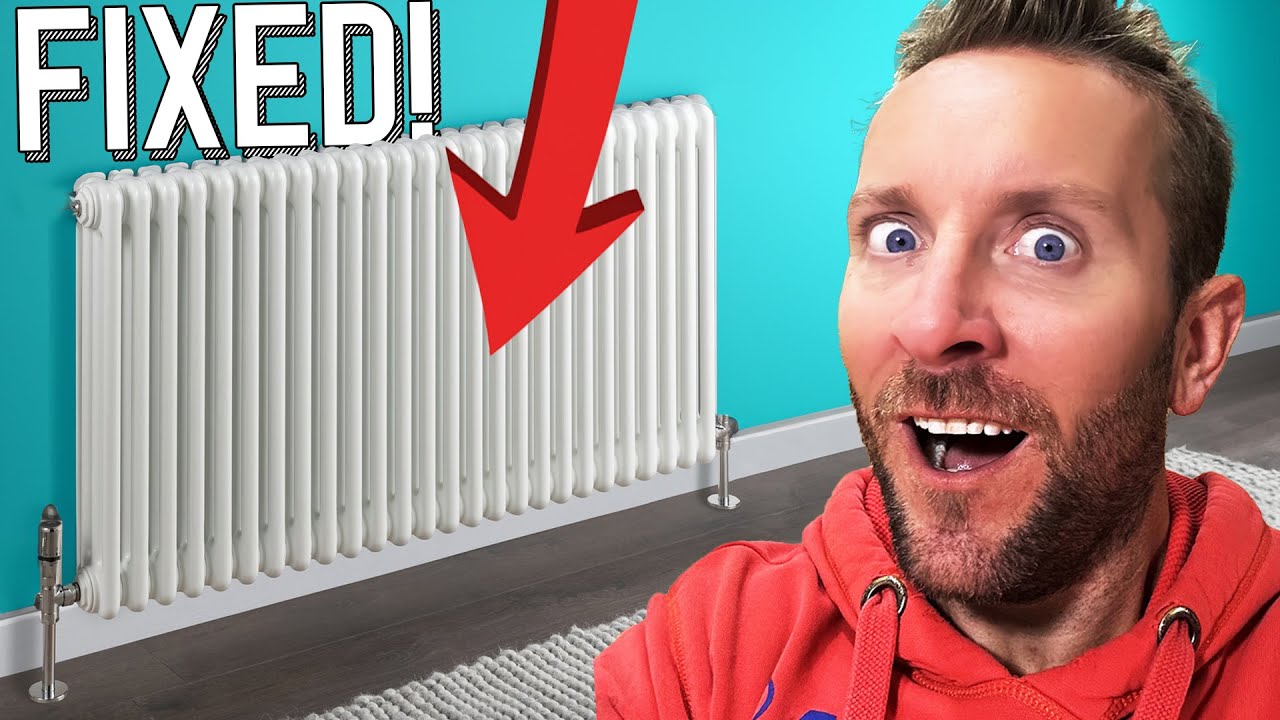
- Turn off the heating.
- Use a radiator trick to open up the bleed valve until water seeps out.
- Close valve safely after bleeding.
Understanding Typical Heating unit Problems
Being knowledgeable about typical concerns can help you recognize when it's time for specialist treatment:
11. Uncommon Noises from Your Heater
Banging or clanking noises could indicate loosened parts or particles in the burning chamber calling for prompt attention.
12. Inconsistent Home Heating Throughout Rooms
If some areas are warmer than others, it may be because of inadequate insulation or blocked vents needing assessment.
13. Boosted Power Costs Without Reasonable Explanation
An abrupt spike in energy bills might show inefficiencies needing examination into possible fixings or upgrades.
FAQs Regarding Heating unit Maintenance
Q1: Just how often ought to I carry out heating unit maintenance?
A1: Ideally, you should set up expert assessments each year while carrying out small do it yourself checks month-to-month based on our checklist above.Q2: Can I perform my own heater repairs?
A2: Minor tasks like changing filters are workable; nevertheless, complicated repair work should be dealt with by trained specialists to make sure security and reliability.Q3: What indications show my heater needs repair?
A3: Look out for unusual sounds, inconsistent temperature levels throughout rooms, or unanticipated spikes in power prices-- all indications that something may be incorrect with your system.
Q4: What need to I do if my heating unit stops working suddenly?
A4: First inspect power sources-- make sure buttons get on-- and evaluate breaker prior to calling a specialist if issues linger beyond standard troubleshooting methods!Q5: Is it worth purchasing normal maintenance?
A5: Absolutely! Preventative steps conserve cash lasting by preventing pricey fixings while boosting safety & & efficiency!Q6: What sort of specialist should I work with for inspections?
A6: Seek certified a/c service technicians with experience particular to heater pertinent within residential setups!Conclusion
Maintaining your furnace doesn't need to be intimidating! By proactively scheduling yearly inspections and adhering closely with routine preventative techniques-- you're developing comfort integrity within home spaces while escaping expensive repairs later down line! So keep those chills away by exercising these vital ideas throughout every season-- due to the fact that that HVAC and appliance repair Austin TX wouldn't want heat when winter comes knocking?
Remember, remaining ahead by investing time now implies less headaches later! Pleased heating!